
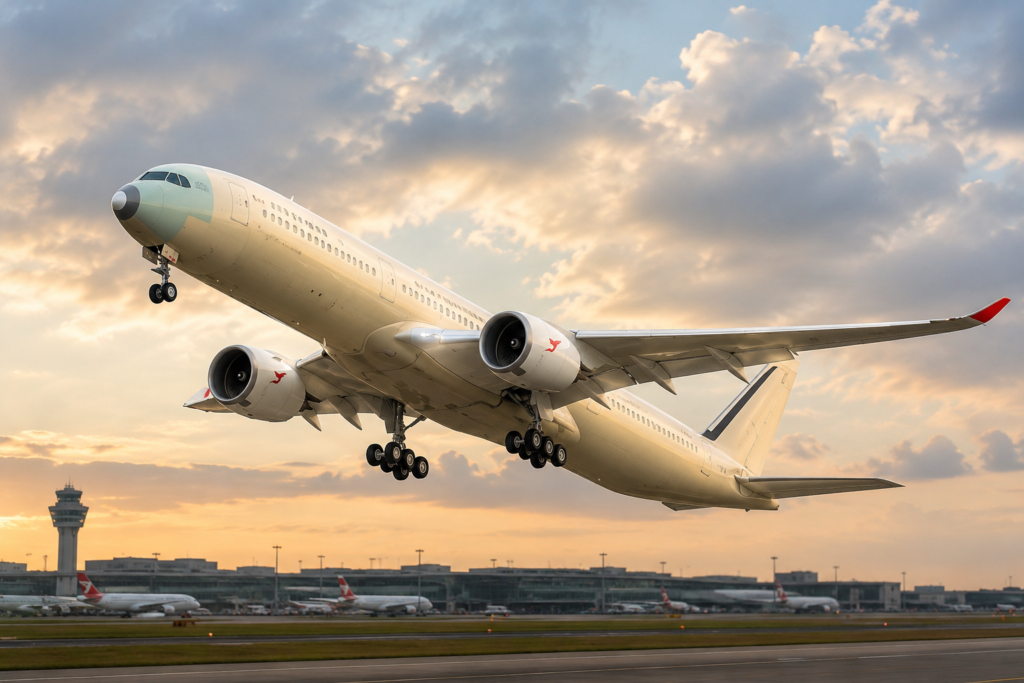
Air travel is set to reach a new milestone as the world’s longest non-stop commercial flight is expected to begin operations in October 2027. The new route will directly connect two major international cities, eliminating the need for stopovers and significantly reducing travel inconvenience for passengers.
The flight is expected to last more than 20 hours, making it one of the most demanding journeys for both passengers and airline crews. To make such a long trip comfortable, airlines are planning to introduce upgraded cabin features, improved seating, healthier meal options, and enhanced onboard entertainment. Special lighting systems and cabin pressure adjustments may also be used to reduce fatigue and jet lag during the journey.The ultra-long-haul service is expected to benefit business travelers, tourists, and people visiting family by offering a faster and more convenient connection between distant destinations. Aviation experts believe demand for direct international flights continues to grow as travelers increasingly prefer avoiding multiple airport transfers.
Operating flights of this duration requires advanced aircraft capable of carrying enough fuel while maintaining efficiency. Modern long-range aircraft have made such routes possible thanks to improved engines, lightweight materials, and fuel-saving technology.Airlines are also working closely with aviation regulators to ensure passenger safety and crew well-being during these extended operations. Flight schedules, rest periods for pilots, and medical preparedness will all play an important role in the success of the service.
The announcement has generated excitement among frequent flyers, with many eager to experience one of the longest commercial flights ever offered. Others have questioned whether they would be comfortable spending more than 20 hours in the air, highlighting the physical challenges of ultra-long-distance travel.If launched as planned in October 2027, the route will mark another significant achievement in global aviation, demonstrating how technology continues to reshape international travel.
The new service is expected to strengthen connectivity between continents while offering passengers a faster and more seamless way to reach destinations that once required multiple flights and lengthy layovers.