
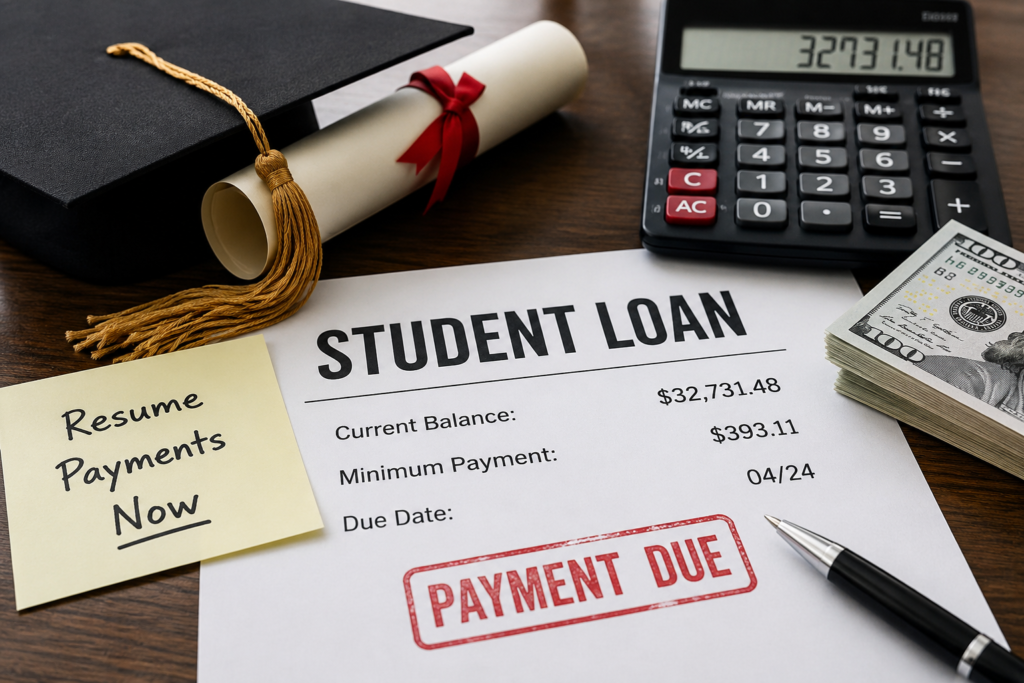
The pause on federal student loan payments during the COVID-19 pandemic provided much-needed financial relief to millions of Americans, but a new analysis suggests the program may also have had unexpected long-term effects on borrowers’ finances.Introduced in 2020, the payment freeze temporarily stopped monthly student loan payments and suspended interest charges. The move helped households cope with job losses, rising living costs, and economic uncertainty during the pandemic. Many borrowers used the extra money to cover essential expenses, build emergency savings, or pay down other debts.
However, researchers say the financial breathing room also encouraged some people to take on new forms of debt, including credit cards, auto loans, and personal loans. As a result, many borrowers now carry higher overall debt than they did before the student loan pause began.Experts note that while the payment freeze offered immediate relief, it may have created a false sense of financial flexibility for some households. When regular student loan payments resumed, many borrowers found themselves balancing loan repayments alongside additional financial obligations.
Consumer advocates emphasize that the pause was critical during one of the most challenging economic periods in recent history. They argue that without the temporary relief, millions of families could have faced severe financial hardship. At the same time, economists say the findings highlight the importance of long-term financial planning and responsible borrowing.Financial advisers recommend that borrowers review their budgets, prioritize high-interest debt, and explore available repayment options if student loan payments become difficult to manage. Income-driven repayment plans and loan assistance programs may provide additional support for eligible borrowers.
The analysis also raises broader questions about how temporary government relief programs influence personal financial behavior. Policymakers may use these findings when designing future economic assistance measures to ensure short-term support does not unintentionally contribute to higher debt levels later.