
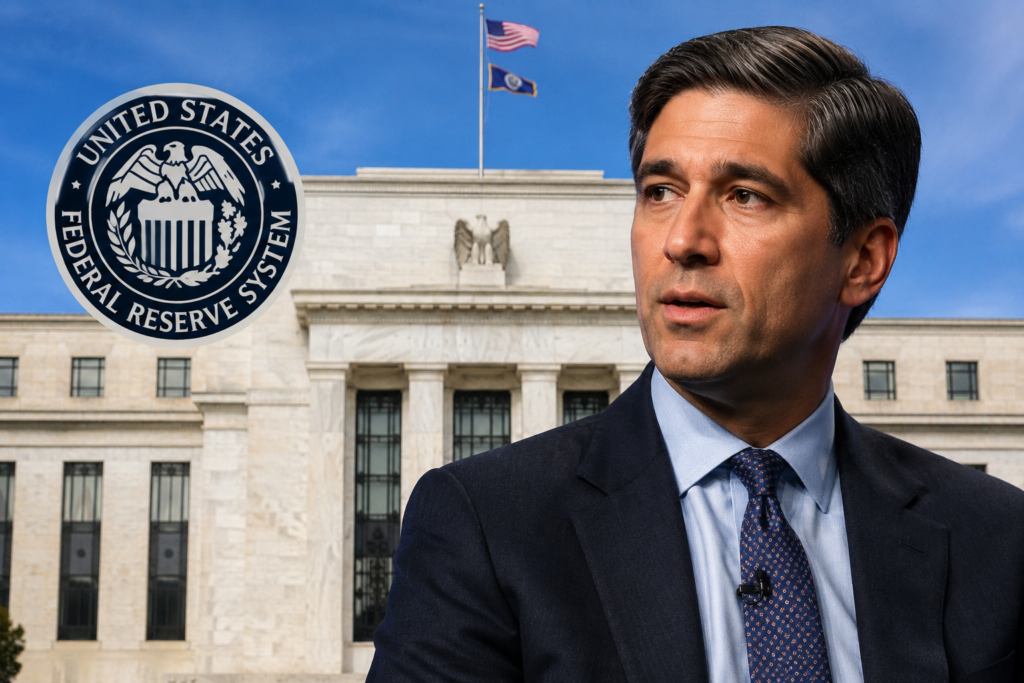
The selection of members for a new U.S. Federal Reserve task force has generated renewed confidence among policymakers, economists, and financial markets, with many observers viewing the appointments as a positive sign for former Federal Reserve Governor Kevin Warsh.
The carefully chosen panel is expected to provide fresh perspectives on monetary policy, financial regulation, and the future direction of the U.S. economy.Kevin Warsh, who served as a Federal Reserve governor during the global financial crisis, has long been recognized for his expertise in economic policy and financial markets.
His experience in navigating periods of economic uncertainty has made him a respected voice among investors and policymakers. The latest task force appointments are seen by many analysts as reinforcing the credibility of ideas associated with Warsh and his approach to central banking.
The newly formed panel includes economists, financial experts, and policy specialists with diverse backgrounds. Their role will be to examine key issues affecting the U.S. economy, including inflation, interest rates, labor markets, technological innovation, and long-term financial stability.
The recommendations produced by the task force could influence future policy discussions within the Federal Reserve and other government institutions.
Financial markets reacted positively to the news, with analysts noting that the appointments signal a commitment to experienced leadership and evidence-based policymaking. Investors often welcome stability and transparency from central bank institutions, particularly during periods of economic uncertainty.
Supporters believe Warsh’s emphasis on clear communication, disciplined monetary policy, and sustainable economic growth aligns well with the goals of the new task force. They argue that credible leadership is essential as policymakers continue balancing inflation control with maintaining healthy employment and economic expansion.While the task force itself does not have direct authority over Federal Reserve decisions, its findings could shape future debates on monetary policy and regulatory reforms.
Economists will closely watch its recommendations in the coming months for insights into the evolving direction of U.S. economic strategy.The appointments underscore the importance of experienced economic leadership at a time when global markets continue to face uncertainty, making the task force’s work likely to attract significant attention from governments, investors, and financial institutions worldwide.