
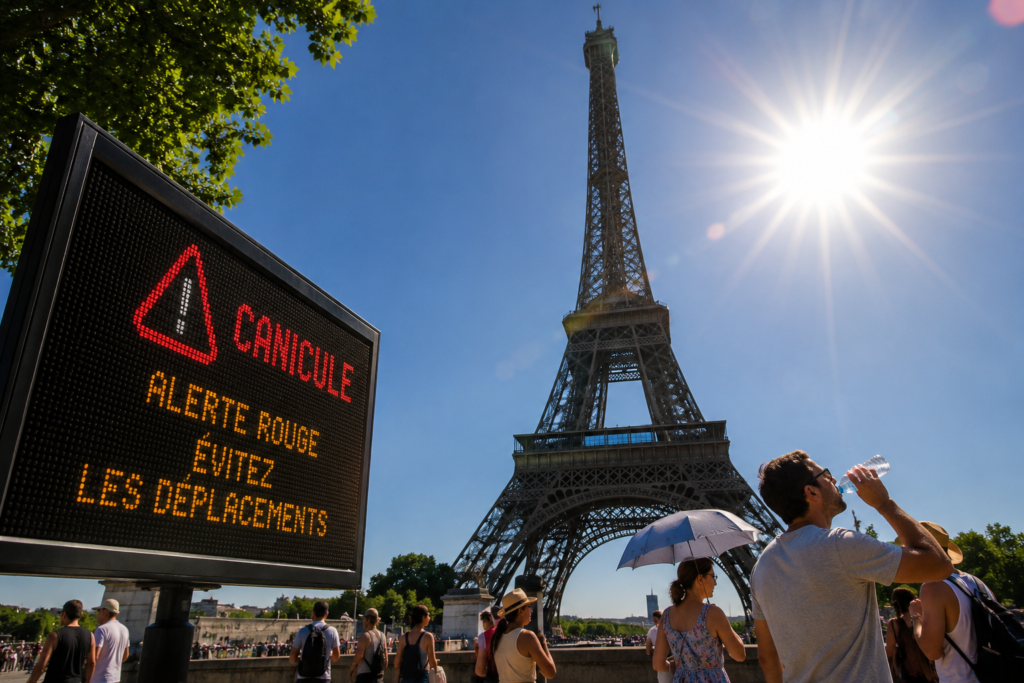
Europe’s intense June heatwave has raised serious concerns about the continent’s ability to cope with increasingly frequent and extreme weather events linked to climate change. Record-breaking temperatures have affected several countries, placing millions of people at risk and putting pressure on healthcare systems, transportation networks, and energy supplies.
Experts say the heatwave exposed weaknesses in Europe’s preparedness, particularly in cities where buildings, roads, and public infrastructure were designed for milder climates. Many homes still lack air conditioning, while hospitals and emergency services have reported a surge in heat-related illnesses, especially among older adults and vulnerable populations.
Authorities in several countries issued heat alerts, advised residents to stay indoors during peak afternoon hours, and opened cooling centers to protect those most at risk. Wildfire danger also increased in parts of southern Europe as hot, dry conditions spread across the region.
Climate scientists warn that such extreme heat events are becoming more common due to global warming. They argue that governments must invest in heat-resilient infrastructure, improve emergency response plans, expand green spaces in cities, and strengthen public awareness campaigns to reduce future risks.
As Europe experiences another challenging summer, the latest heatwave serves as a reminder that adapting to a warming climate is becoming an urgent priority for governments, communities, and policymakers across the continent.