
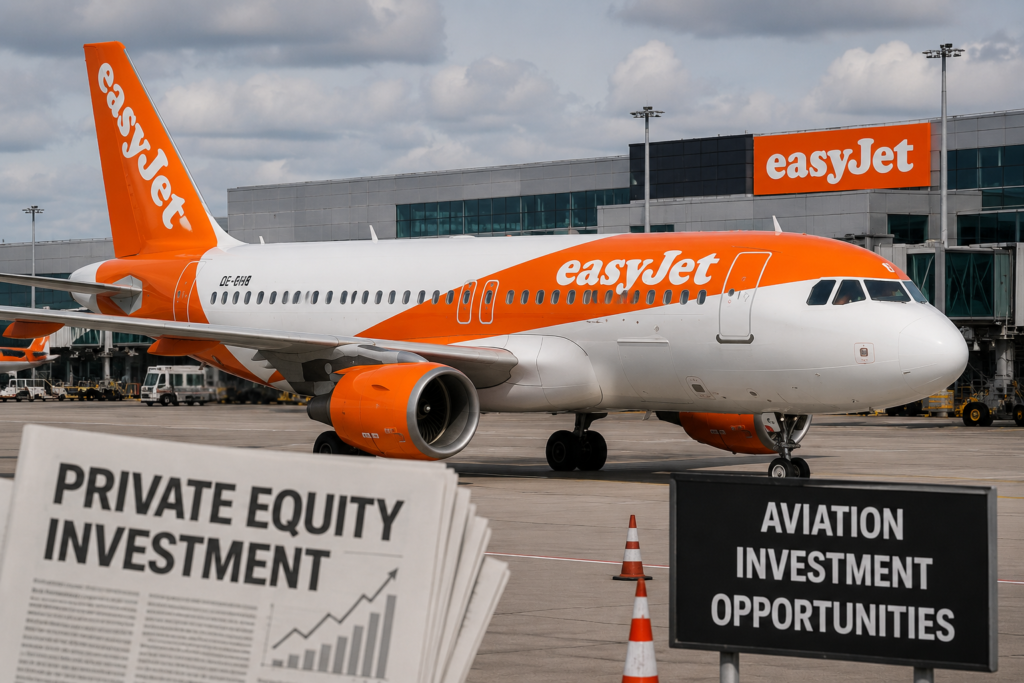
European budget airline EasyJet is drawing increased attention from private equity firms, highlighting a growing trend of investors exploring opportunities in the aviation sector despite its traditionally high risks and volatile returns.
Industry analysts say the renewed interest reflects confidence in the long-term recovery of air travel and the potential for operational improvements.Private equity firms have historically been cautious about investing in airlines because of fluctuating fuel prices, economic downturns, labor disputes, and intense competition.
However, the aviation industry has shown stronger resilience following the pandemic, with passenger demand recovering across Europe and international travel continuing to expand.EasyJet has benefited from rising travel demand, particularly for short-haul leisure routes. Strong summer bookings, improved operational performance, and efforts to modernize its fleet have strengthened investor confidence.
The airline has also focused on improving profitability through cost controls, digital services, and more efficient aircraft utilization.According to market observers, private equity investors are increasingly looking beyond traditional industries in search of long-term growth opportunities. Airlines with recognized brands, extensive route networks, and improving financial performance have become more attractive as travel continues to rebound.EasyJet’s extensive presence across Europe gives it a competitive advantage in serving millions of passengers each year. The airline has invested heavily in sustainability initiatives, including fleet modernization and research into lower-emission aviation technologies, which may further enhance its long-term appeal to investors.
Analysts note that while no major transaction has been confirmed, investor interest reflects optimism about the company’s future prospects. At the same time, challenges remain, including rising operating costs, aircraft delivery delays, geopolitical uncertainty, and fluctuating fuel prices that continue to affect airline profitability.The broader aviation industry is undergoing significant transformation as airlines adopt digital technologies, expand premium services, and invest in more fuel-efficient aircraft.
Companies that successfully balance operational efficiency with customer experience are expected to remain attractive to investors.As competition among European carriers continues to intensify, EasyJet’s strategic position, strong brand recognition, and improving financial outlook are likely to keep it on the radar of institutional investors and private equity firms. Whether this interest ultimately results in investment activity or strategic partnerships will depend on future market conditions, regulatory considerations, and the airline’s continued financial performance.