
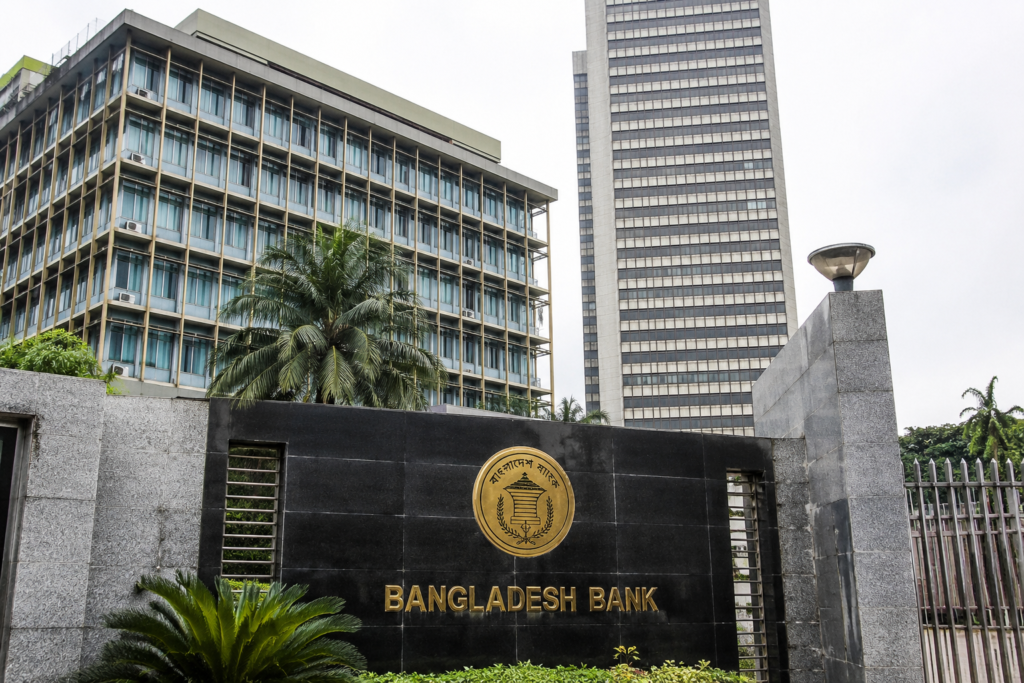
Bangladesh’s central bank has decided to keep its key interest rates unchanged, choosing a cautious approach as inflation, global uncertainty, and economic risks continue to challenge the country’s financial outlook. The decision reflects policymakers’ efforts to balance price stability with the need to support economic growth.
Officials said inflation remains a significant concern despite signs that price pressures may gradually ease. Rising food costs, fluctuations in global energy prices, and currency movements continue to affect households and businesses. By keeping borrowing costs steady, the central bank hopes to monitor how recent policy measures influence the economy before making further adjustments.
The decision also comes as Bangladesh works to strengthen its foreign exchange reserves, stabilize the taka, and maintain confidence in the banking sector. Economists believe the central bank will closely track inflation data, export performance, remittances, and global market developments over the coming months.
Businesses welcomed the stable policy, saying it provides greater certainty for investment and financial planning. However, some analysts argue that persistent inflation could require tighter monetary measures if price pressures remain elevated.
Looking ahead, the central bank has reaffirmed its commitment to maintaining financial stability while supporting sustainable economic growth. Future interest rate decisions will depend on incoming economic data and the evolving domestic and international economic environment, with inflation expected to remain the primary focus of policymakers.