
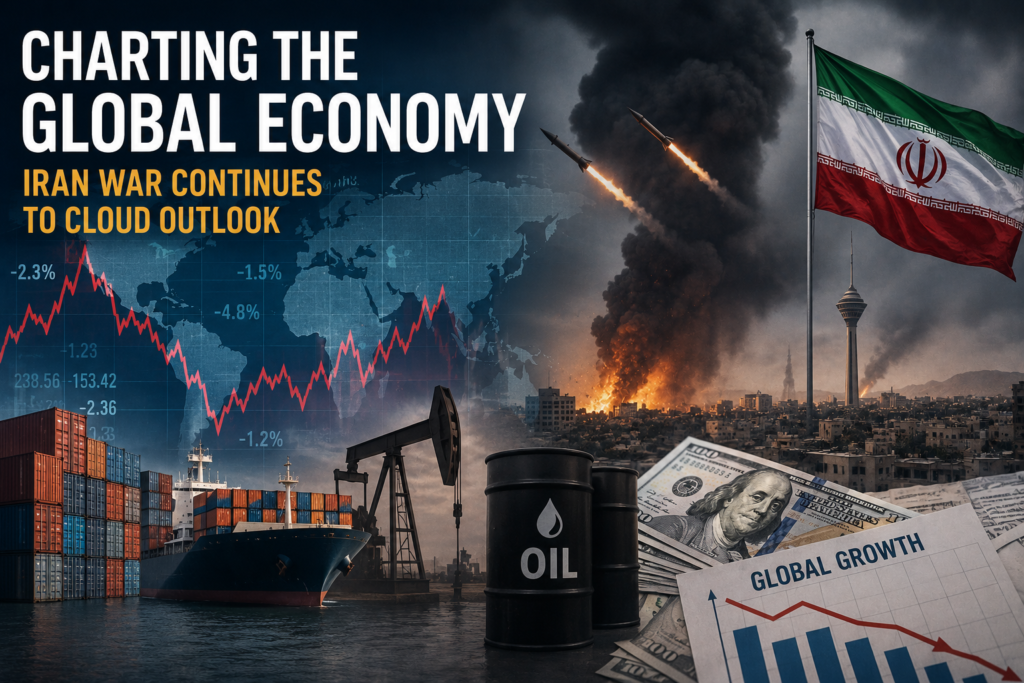
The global economy is facing renewed uncertainty as the ongoing conflict involving Iran continues to weigh on financial markets, energy supplies, and investor confidence. Economists warn that prolonged geopolitical tensions could slow global growth, disrupt trade routes, and keep inflationary pressures elevated in many countries.
One of the biggest concerns is the energy market. Iran plays a significant role in the global oil industry, and any escalation in the conflict raises fears of supply disruptions in the Middle East. Oil prices have remained volatile as traders closely monitor developments, while governments are preparing contingency plans in case shipping through key maritime routes is affected.Businesses across Europe and Asia are also feeling the impact.
Higher fuel costs are increasing transportation and manufacturing expenses, forcing companies to reassess investment plans and pricing strategies. Airlines, logistics firms, and heavy industries are among the sectors most exposed to rising energy costs.Financial markets have responded cautiously, with investors shifting funds toward traditional safe-haven assets such as gold and government bonds.
At the same time, central banks are closely watching whether higher energy prices could complicate efforts to bring inflation under control while supporting economic growth.Emerging economies may face even greater challenges because many rely heavily on imported fuel.
Rising import bills can weaken national currencies, increase government spending, and put additional pressure on consumers already dealing with high living costs.International organizations continue to stress the importance of diplomatic efforts to prevent further escalation.
Analysts say that a peaceful resolution would help stabilize commodity prices, restore investor confidence, and improve the outlook for global trade.Despite these challenges, economists note that many economies remain resilient thanks to strong labor markets and continued investment in technology and infrastructure. However, they caution that if geopolitical tensions persist, businesses and policymakers may have to prepare for a period of slower growth, elevated market volatility, and continued uncertainty in the global economic landscape.