
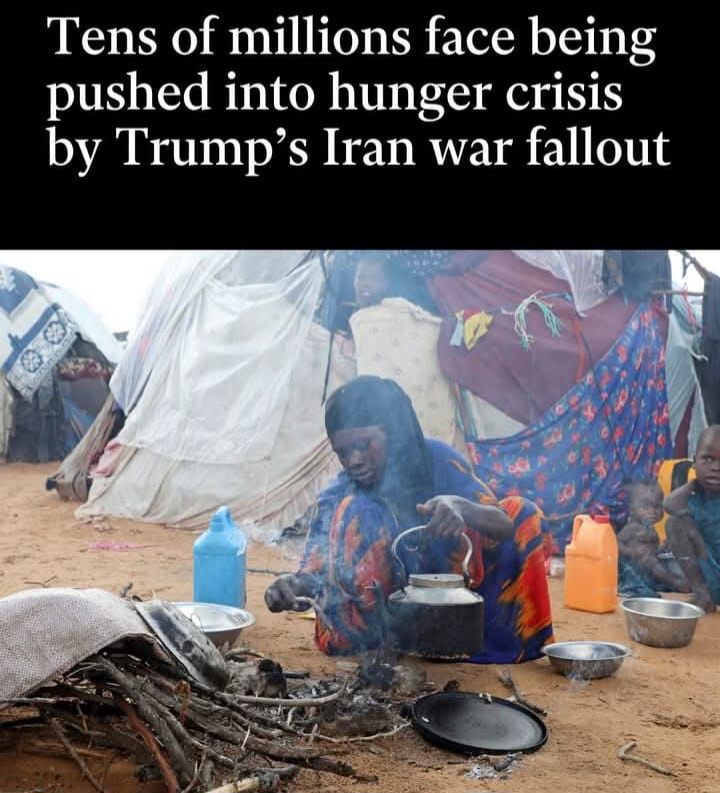
Humanitarian organizations are warning that escalating conflict in the Middle East could worsen global food insecurity, placing millions of vulnerable people at greater risk of hunger. Aid agencies say disruptions to trade routes, rising fuel prices, and supply chain challenges can increase the cost of essential food items, particularly in countries already facing economic hardship or conflict.
Experts caution that prolonged instability may further strain humanitarian relief efforts, making it more difficult to deliver food and medical assistance to affected communities. Families in refugee camps and conflict-affected regions are expected to face the greatest challenges, with many already struggling to access adequate nutrition and clean water.
International organizations have urged governments to support diplomatic efforts aimed at reducing tensions while increasing funding for emergency food assistance. They stress that protecting civilians and ensuring uninterrupted humanitarian aid remain critical priorities. As the situation develops, relief agencies continue monitoring conditions and preparing additional support for populations most at risk of food shortages and malnutrition.