
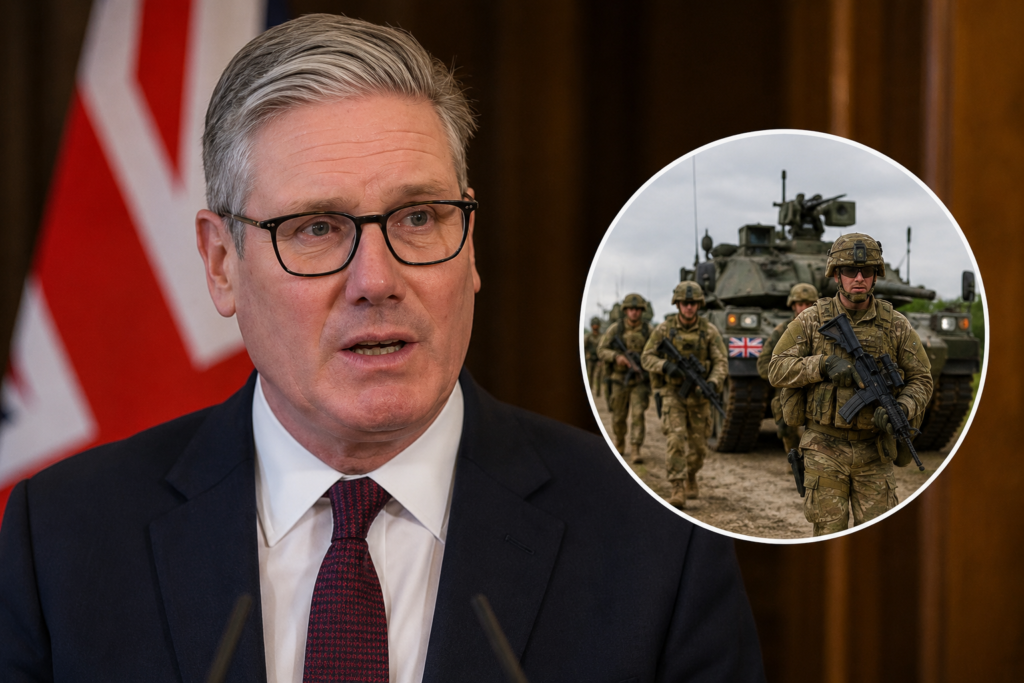
The United Kingdom’s long-term defence spending plans are expected to leave the country’s next prime minister facing a significant financial challenge, with analysts estimating a funding gap of around £4.7 billion. Prime Minister Keir Starmer has pledged to strengthen Britain’s armed forces and improve national security amid rising global tensions.
However, defence experts say the planned increase in military spending will require difficult decisions on taxation, borrowing, or cuts to other public services unless additional revenue is found. The government has committed to investing more in modern military equipment, cyber defence, advanced technology, and support for the armed forces.
Supporters argue that higher defence spending is necessary due to ongoing international conflicts and growing security threats across Europe and beyond. Critics, meanwhile, question whether the government has identified sustainable funding sources for these commitments.
The debate highlights the balancing act between national security, economic stability, and public spending priorities as Britain prepares for future political and financial challenges.