
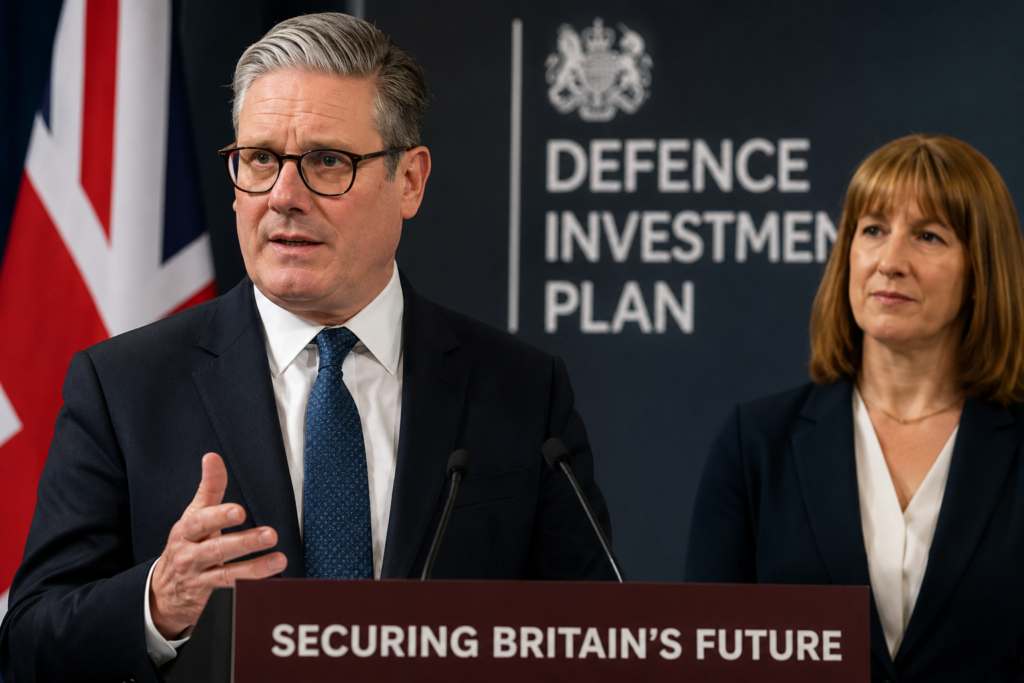
Britain’s defence strategy is once again under scrutiny as experts warn that the country must strengthen its military capabilities before a major crisis occurs. The debate follows renewed attention on defence investment, with analysts arguing that modern threats are evolving faster than traditional military planning.
Security specialists say the UK faces a range of challenges, including cyberattacks, drone warfare, artificial intelligence, and rising geopolitical tensions. They believe these risks require greater investment in advanced technology, military readiness, and stronger cooperation with international allies.
Supporters of increased defence spending argue that preparing for future threats is far less costly than responding after an attack has already taken place. They also emphasize the importance of modernising equipment, expanding cyber defence capabilities, and improving the resilience of critical national infrastructure.
However, critics caution that governments must balance defence spending with funding for healthcare, education, and other public services. They argue that national security should remain a priority while ensuring taxpayers receive value for money.
The discussion comes as several European nations review their defence policies in response to changing global security conditions. While opinions differ on the scale of investment required, there is broad agreement that the nature of modern warfare is changing rapidly and that long-term planning will be essential to maintaining Britain’s national security in the years ahead.