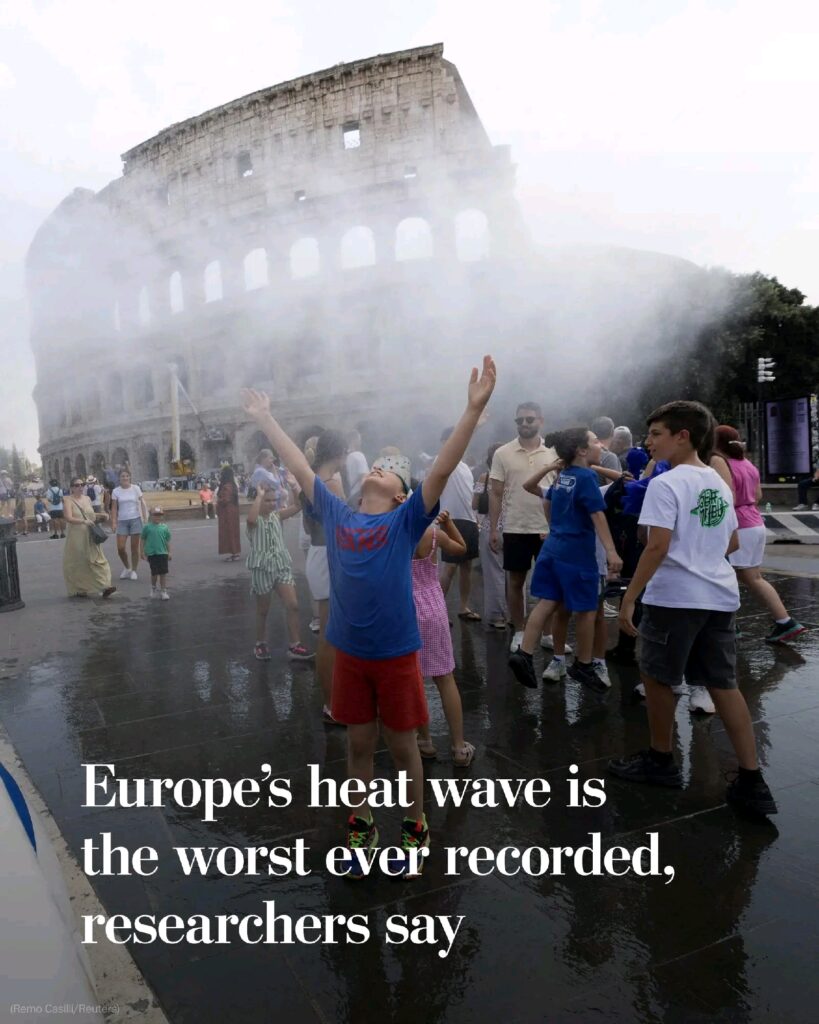
Europe is experiencing what researchers describe as one of the most severe heatwaves ever recorded, with temperatures rising faster than the global average and creating significant challenges across the continent. Scientists say the extreme weather event is being intensified by climate change, which has increased the frequency, duration, and intensity of heatwaves in recent years.Several countries have recorded unusually high temperatures, prompting authorities to issue heat alerts and emergency warnings. Health officials are urging residents, particularly older adults, children, and people with underlying medical conditions, to stay hydrated, avoid prolonged outdoor activity during peak afternoon hours, and seek cooler indoor environments whenever possible.The intense heat has placed additional pressure on healthcare systems as cases of heat exhaustion and heatstroke increase. Hospitals in some regions have reported a rise in emergency admissions related to high temperatures. Governments have opened cooling centers and advised the public to check on vulnerable family members and neighbors during the ongoing heatwave.The extreme weather has also affected infrastructure and daily life across Europe. Transportation services have experienced delays due to heat-related damage to roads and railway tracks, while electricity demand has increased as millions rely on air conditioning and cooling systems. In several regions, water authorities have encouraged residents to conserve water amid concerns over declining reservoir levels and prolonged dry conditions.Agriculture has also been impacted, with farmers reporting stress on crops and livestock due to excessive heat and limited rainfall. Experts warn that repeated heatwaves could reduce agricultural productivity, increase food prices, and place additional strain on rural communities if dry conditions continue throughout the summer.Environmental agencies have raised concerns about an increased risk of wildfires, particularly in southern Europe, where dry vegetation and high temperatures create favorable conditions for rapidly spreading fires. Firefighters remain on high alert as governments deploy additional resources to protect communities and natural habitats.Climate researchers note that while heatwaves are a natural weather phenomenon, human-driven climate change has made such extreme events more likely and more intense. Studies indicate that Europe is warming at a faster rate than many other parts of the world, increasing the likelihood of record-breaking temperatures becoming more common in the future. Scientists emphasize the importance of reducing greenhouse gas emissions while investing in climate adaptation measures such as resilient infrastructure, improved urban planning, and expanded green spaces.International organizations continue to call for stronger cooperation to address the long-term impacts of climate change and improve preparedness for extreme weather events. Meanwhile, meteorological agencies are closely monitoring conditions and updating forecasts as the heatwave continues.Researchers stress that protecting public health, strengthening emergency response systems, and building climate resilience will be essential as Europe faces increasingly frequent episodes of extreme heat in the years ahead.