
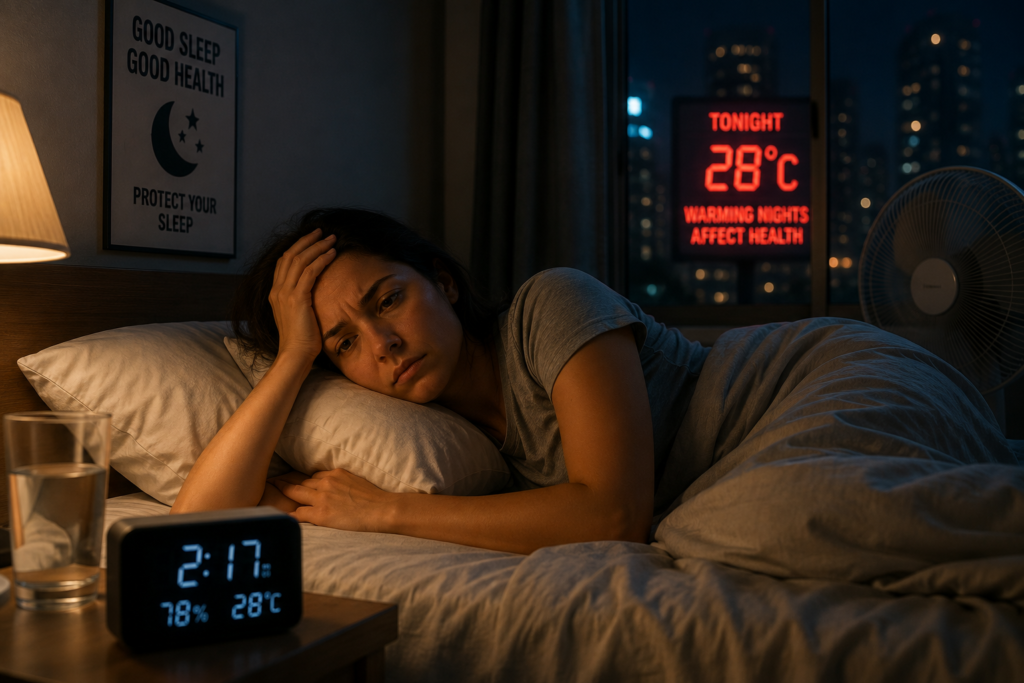
A new study suggests that rising nighttime temperatures caused by climate change are making it harder for people to get adequate sleep, potentially increasing the risk of serious health problems. Researchers say warmer nights reduce the body’s ability to cool down naturally, making it more difficult to fall asleep and stay asleep.
Sleep experts warn that poor sleep is linked to a wide range of health issues, including heart disease, diabetes, obesity, depression, weakened immunity, and reduced cognitive performance. As global temperatures continue to rise, millions of people may experience more frequent sleep disruptions, particularly during heatwaves.
The study found that vulnerable groups—including older adults, young children, people with chronic illnesses, and those without access to air conditioning—are likely to be most affected. Urban areas may face even greater challenges because of the “urban heat island” effect, where cities remain significantly warmer than surrounding rural regions at night.
Researchers recommend several strategies to improve sleep during hot weather, including keeping bedrooms cool, using fans or air conditioning where available, staying hydrated, avoiding heavy meals before bedtime, and reducing screen time in the evening.
Scientists also stress the importance of long-term climate adaptation measures, such as expanding green spaces, improving building design, and investing in cooling infrastructure to help communities cope with rising temperatures.
The findings highlight another growing consequence of climate change beyond extreme weather events. As nighttime temperatures continue to climb across many parts of the world, protecting healthy sleep may become an increasingly important public health priority, with experts urging governments and communities to prepare for a warmer future.